

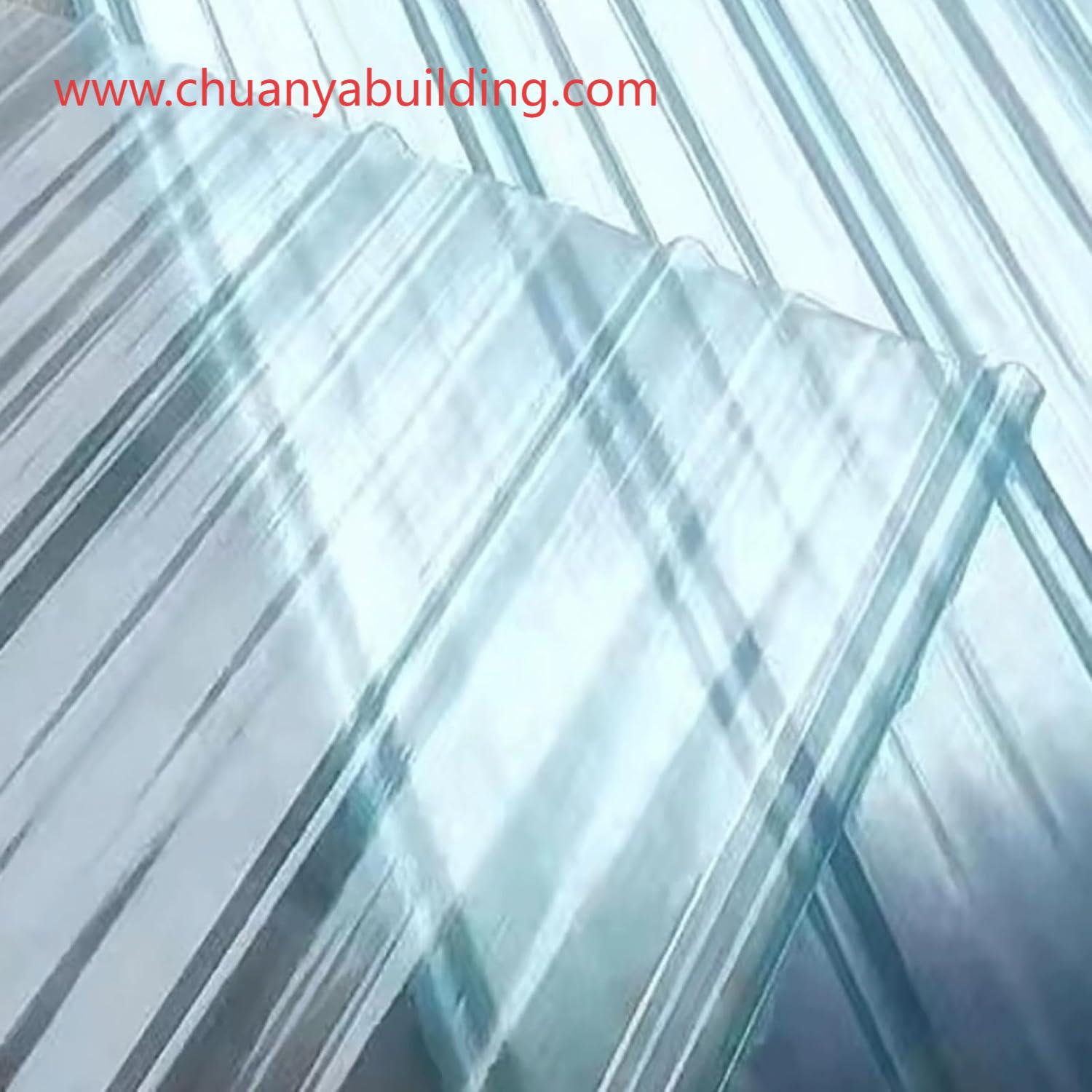
When architects and facility planners discuss Chinese Frp Daylighting Panels , they often focus on how transparent composite structures reshape interior brightness while maintaining structural harmony across industrial halls, and as they browse technical insights on chuanyabuilding, they begin to examine how such panels influence long term visual efficiency, thermal balance, and construction rhythm across various sites, yet what defines the architectural reasoning behind these forward looking daylighting solutions?
As daylight becomes a prominent design element in spacious factories, logistics halls, greenhouse corridors, and storage facilities, the pursuit of smooth lighting transitions has grown into a central topic among designers who wish to replace heavy artificial lighting with natural illumination that enhances operational comfort and visual clarity without creating harsh contrasts. With the rise of high performance composite sheets, roofs and walls are increasingly shaped by translucent materials capable of dispersing sunlight evenly, maintaining brightness across extended surfaces, and reducing strain on indoor workers by establishing a steady distribution of light across different zones. This transformation has inspired a renewed interest in how daylighting surfaces can guide the atmosphere of industrial spaces while remaining stable in exterior conditions.
Across modern construction sites, translucent roof components are gradually recognized for their capacity to harmonize structural weight, allow controlled light penetration, and maintain long term resistance to outdoor challenges. As building envelopes evolve, designers seek materials that not only deliver luminous performance but also preserve surface firmness across seasonal changes, providing a dependable exterior shell that supports long lived architectural integrity. The shift toward composite daylighting solutions encourages constructors to incorporate panels that retain their clarity under sunlight exposure, remain steady under wind patterns, and accommodate minor structural movement without encouraging cracks or deformation. By doing so, buildings acquire a roof surface that performs with visual consistency through daylong cycles.
The aesthetic dimension of translucent structures has become a subject of study among architects aiming to balance functional clarity with controlled shading. These structures often respond to sunlight with subtle interaction, capturing natural tones across their layered surfaces and presenting a softer atmosphere inside production facilities. As the relationship between interior functions and exterior climate becomes increasingly delicate, daylighting systems allow factories to maintain calm visual environments, providing workers with an interior landscape that supports extended operational focus. In this sense, daylighting panels serve not only as exterior elements but as contributors to the emotional and ergonomic conditions within the building.
Installation processes for translucent panels carry great significance because the alignment, fastening paths, spacing tension, and sealing treatment shape the final behavior of the entire roof surface. Installers often coordinate the curvature of panel paths, adjust surface layouts to maintain an uninterrupted daylight corridor, and ensure that transitions between opaque and translucent materials form a unified structure capable of holding its tension under changing temperatures. When installation is executed with careful precision, factories benefit from steady illumination and structural harmony that reduce visual noise and create an atmosphere suitable for extended workspace utilization.
Maintenance routines for daylighting structures carry a unique rhythm because dust settlement, airborne particles, rain streaks, and natural aging may influence light clarity over time. Routine inspection cycles allow technicians to restore surface transparency, verify structural firmness, and confirm that joints maintain their grip against environmental forces. By maintaining stable clarity across the translucent surface, facility owners ensure that the building continues to welcome natural light in a controlled manner, reinforcing visual consistency while supporting energy saving strategies that contribute to long term operational comfort.
In recent years, construction specialists have developed a growing interest in design systems that combine natural lighting with structural durability, allowing buildings to achieve a gentle blend of illumination and performance without relying heavily on mechanical lighting networks. This perspective highlights the importance of materials that react gracefully to environmental cycles, offering steady transparency and calm reflection without creating glare or discomfort. Such materials reshape how architects think about industrial interiors, turning sunlight into an active design element rather than a passive environmental factor.
Readers seeking extended knowledge related to translucent roofing materials, installation concepts, and design approaches may explore updated insights available at https://www.chuanyabuilding.com/