
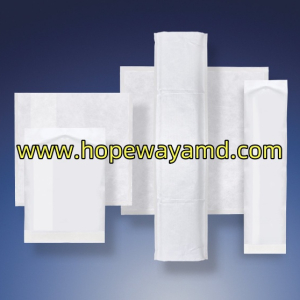
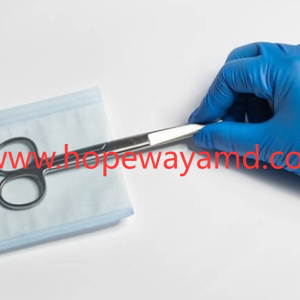
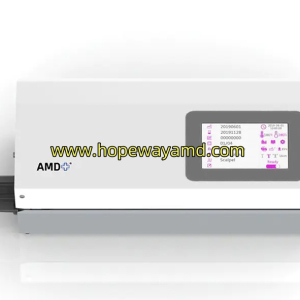
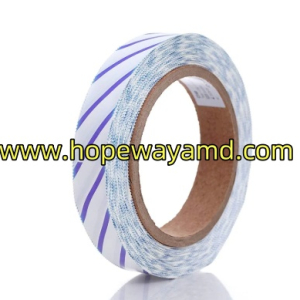
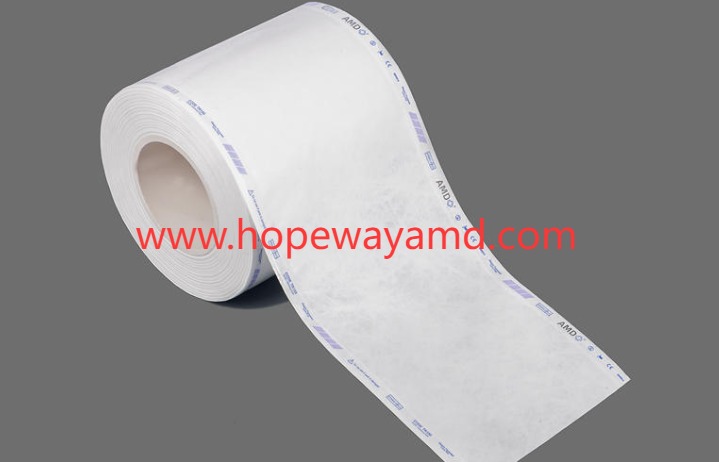
In many professional environments, packaging methods influence efficiency, and the Tyvek Flat Roll Pouch from Hopeway AMD serves as a streamlined option for tasks that call for steady handling and controlled sealing. By offering a format that supports different preparation stages without complicating movement or storage, it appeals to teams seeking predictable workflow patterns and simple operation.
Across labs, assembly lines, and clean processing rooms, consistency in packaging is essential. The way a pouch behaves during folding, sealing, or organizing can affect the speed of each task. A format that accommodates varied item sizes while remaining manageable helps workers maintain a smoother pace through repetitive steps. When materials cooperate with natural movement, rather than resisting it, routines feel more balanced and less interrupted.
Many daily tasks revolve around transitions. Workers move between preparation tables, sealing stations, and storage zones, each requiring a different posture and level of focus. If the packaging material is overly stiff, it may slow down transitions; if it is too loose, it can create handling challenges. A balanced structure reduces readjustments, helping maintain attention on the task rather than the tool.
Breathability and clarity in packaging also contribute to comfort and confidence during work. In settings where visibility and airflow matter, material choice can influence how easily workers check contents or prepare items for the next step. When layers behave predictably under light pressure or folding, tasks become more intuitive. This type of clarity helps minimize backtracking or unnecessary inspections.
Another often overlooked aspect is pacing. Repetitive packaging can accumulate strain throughout the day. A pouch that responds consistently during sealing, cutting, or alignment allows workers to maintain an even rhythm. Over long hours, this steadiness can reduce fatigue associated with constant micro-corrections. A steady pace also supports better coordination among teams that rely on timing and smooth handoffs.
Durability plays a role in psychological assurance. Materials that withstand bending, device pressure, and routine friction help avoid workflow interruptions. When workers do not have to worry about unexpected tearing or deformation, they can focus more fully on the task at hand. Predictable strength promotes uninterrupted routines and clearer planning.
Ease of storage is equally important. Roll formats allow teams to cut only what they need, helping maintain tidy work surfaces and reducing clutter. In busy spaces, small conveniences like this support smoother transitions between tasks, quicker resets at stations, and more organized tool arrangements. Over time, these small efficiencies often contribute to more harmonious team patterns.
As organizations refine their processes, packaging tools become part of a larger system. When every component behaves predictably, it becomes simpler to train new staff, coordinate between departments, and maintain uniform standards. Packaging that integrates naturally into varied workflows supports clearer communication and more consistent results across different teams.
If you are curious about materials designed with practical workflow needs in mind, there is a fresh way to continue the journey. Step toward a new angle of insight by visiting https://www.hopewayamd.com/news/industry-news/tyvek-flat-roll-pouch-offers-a-way-to-enhance-sterilization-efficiency.html , where each page opens like a quiet signal inviting you to look closer at possibilities waiting to be shaped.